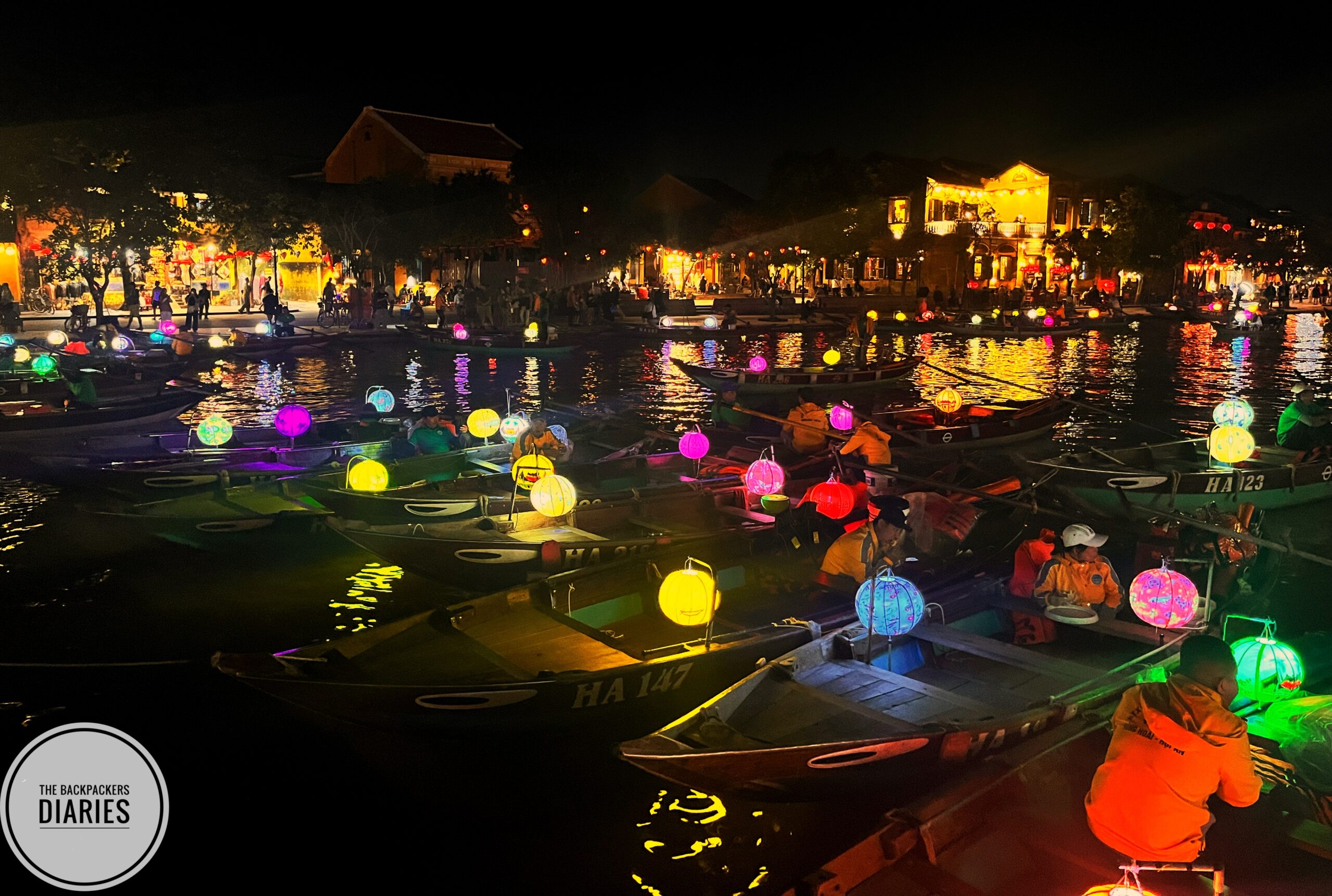
“Sometimes the leap makes sense only after you land.”
That line perfectly captures what Hoi An turned out to be for us.
The weather in Central Vietnam had been uncertain for weeks before our planned travel. Da Nang and Hoi An had experienced severe flooding about three weeks earlier, and to make matters worse, it flooded again on the very day we were flying from Mumbai to Vietnam. After spending three days in Hanoi, we were scheduled to head to Hoi An next. News and social media were filled with images and videos of heavy rains and flooded streets.
We reached out to our hotel in Hoi An to understand the ground reality, and their response was calm and reassuring: “Everything will be fine by the time you arrive.” Still, we were unsure. To be safe, we booked a backup hotel in Da Nang, just in case plans needed to change.
Even while boarding our flight from Hanoi to Da Nang, we were in two minds. We knew a decision had to be made. Images of Hoi An—its yellow walls, lantern-lit streets, and riverside charm—kept appearing in our thoughts, urging us to take a leap of faith.
Finally, after landing, we cancelled our Da Nang backup hotel, booked a Grab, and headed straight to Hoi An. Little did we know that the next 24 hours would become the most memorable part of our entire Vietnam trip.
First Impressions: Warm Smiles, Clear Skies, and Resilience
As we arrived in Hoi An, we were welcomed by pleasant weather—sunny skies paired with a cool, refreshing breeze. Our stay was a cozy boutique hotel, and the receptionist greeted us with genuine warmth. She spoke about the recent floods and the challenges locals had faced. Floodwater had risen to over one floor of the hotel, yet the place looked spotless and welcoming again.
That alone spoke volumes about the hard work and resilience of the people of Hoi An, especially their commitment to tourism and hospitality.
Since it was already lunchtime, she recommended a local specialty from Hoi An—and it turned out to be a great introduction to the town’s food scene. After lunch, we set out to explore the Hoi An Ancient Town.
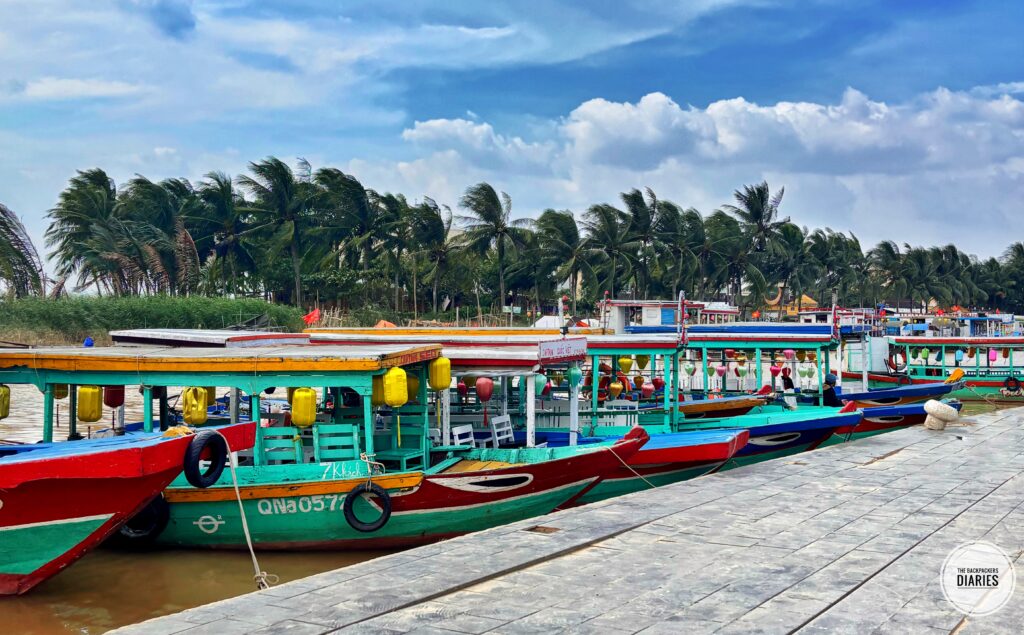
Exploring Hoi An Ancient Town: Lanterns, Lanes, and Cinematic Charm
Walking through the ancient town felt surreal. We passed spots where the Netflix film A Tourist’s Guide to Love was shot, instantly making the experience feel cinematic. The narrow walking lanes, yellow-walled shops, charming cafés, and heritage architecture created a postcard-perfect atmosphere.
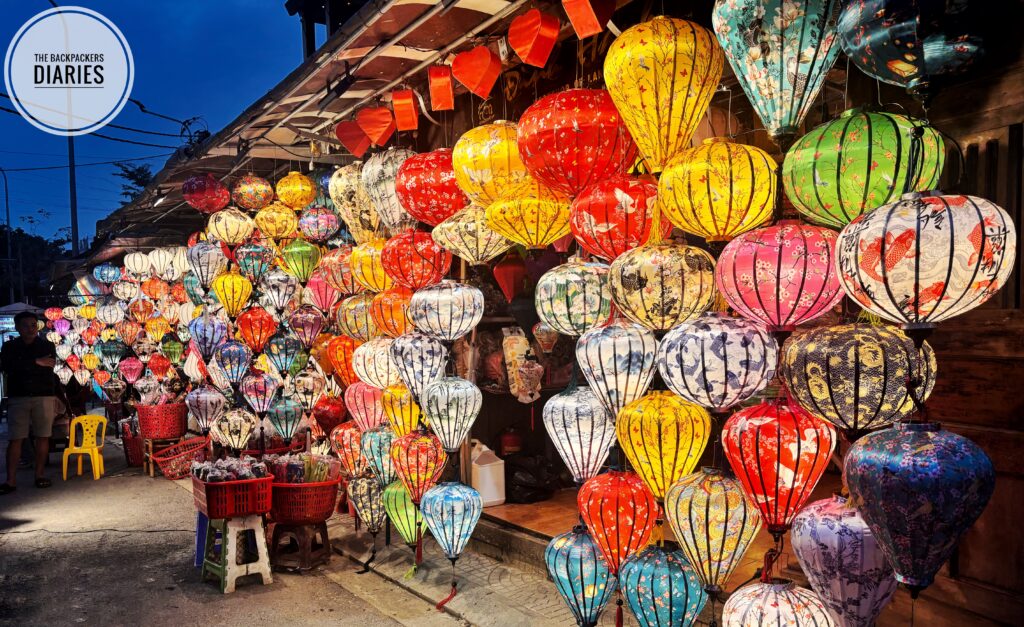
Hoi An is truly a shopper’s paradise—from leather goods and lanterns to jewellery, souvenirs, clothes, and handmade items. The town is also famous for its in-house tailoring boutiques, where you can get custom-made clothing stitched in a short time.
As evening approached, the town slowly grew busier. Since Da Nang is just an hour away, it felt like many visitors stayed there and came to Hoi An in the evening, especially for the lantern experience. Across the river, the vibe changed—there were lively pubs, shops, food stalls, and live music creating a festive atmosphere.
As night fell, hundreds of lanterns illuminated the streets and alleys, transforming Hoi An into something straight out of a storybook.
Lanterns on the River: The Magic of Hoi An at Night
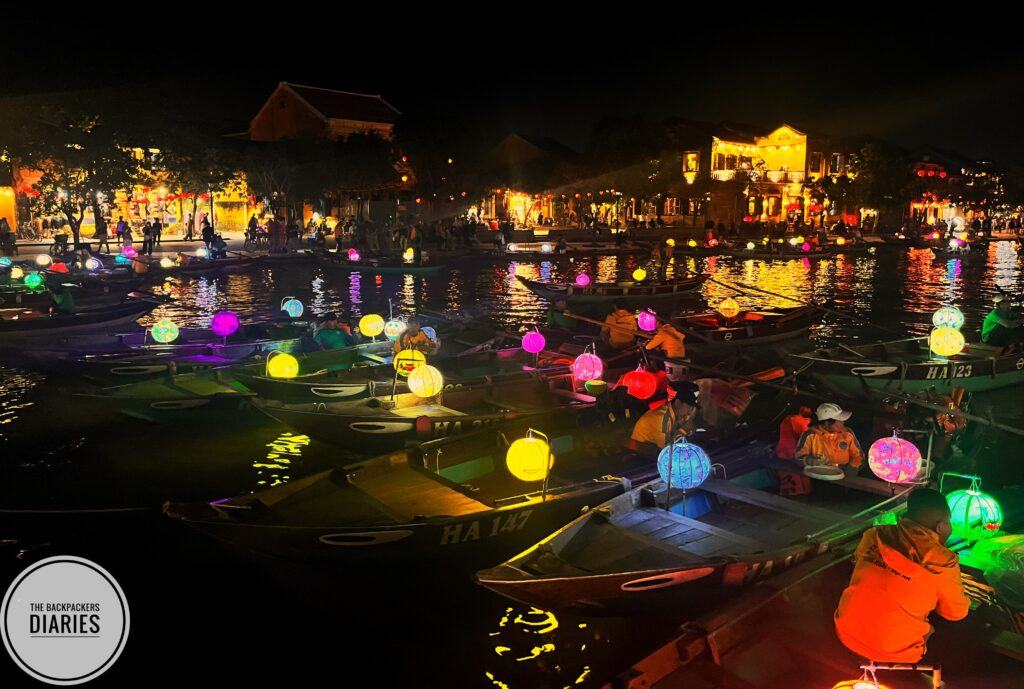
As evening deepened, countless boatmen drifted onto the river, their wooden boats adorned with softly glowing lanterns. The sight of the river filled with floating lights was truly one of a kind—quiet, enchanting, and almost unreal. It felt magical, like stepping into a dream.
One can also buy a wish lantern, light it, and gently release it into the river for a cinematic moment of their own.
A Quieter Morning and the Heart of Local Life
The next day, we had half a day in Hoi An before leaving for Da Nang. Breakfast at the hotel was delicious—though there wasn’t as much variety compared to Hanoi. The hotel had likely reopened only a couple of days earlier after the floods and hadn’t yet returned to full operations.
After breakfast, we headed back to the ancient town for some shopping. The town felt noticeably calmer at this hour, likely filled mostly with travelers staying overnight in Hoi An. Locals were busy with their daily routines—cleaning shopfronts, washing streets, and preparing for the evening rush.
Seeing this firsthand, it became clear how Hoi An managed to become functional just days after a flood—the people here are incredibly hardworking and resilient.
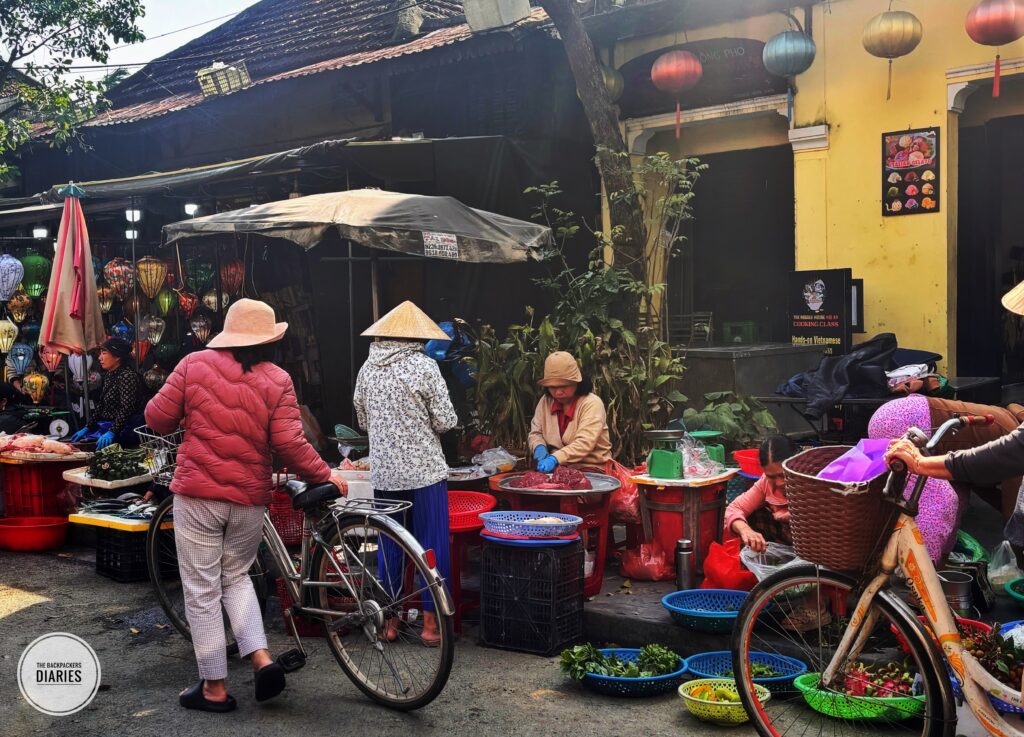
We also walked through the local market, where vendors sold vegetables, fruits, seafood, and meat. Somehow, this simple, lively setting reminded us of the charming coastal town from the Korean series “Hometown Cha Cha Cha.”
Leaving with Gratitude—and a Little Regret
By noon, we checked out and began our journey back to Da Nang. As we slowly moved away from the ancient town, we noticed people cycling around and exploring the quieter, extended parts of Hoi An.
Deep down, we wished we had spent one more day here—a small regret lingered. At the same time, we felt incredibly fortunate to have experienced Hoi An’s magic, especially amid so much weather uncertainty.